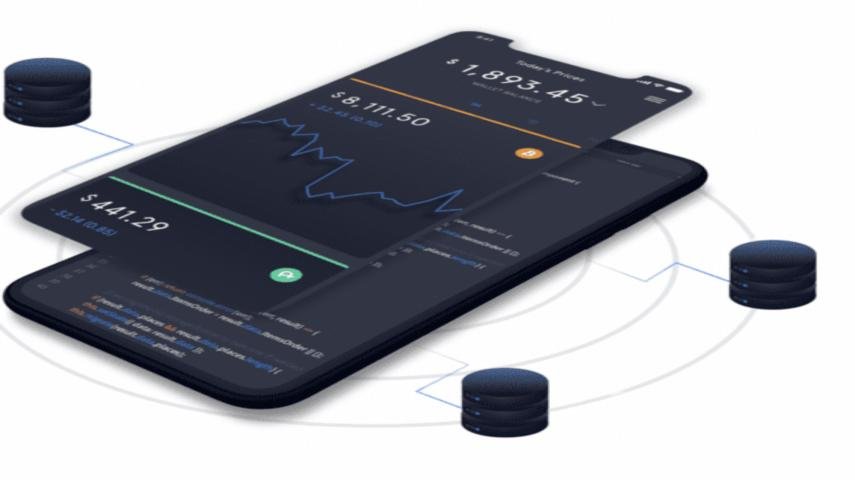
What Is a White Label Mobile App? Benefits for Businesses in 2025
What Is a White Label Mobile App? Benefits for Businesses in 2025
In 2025, mobile apps are no longer just an option—they’re essential for businesses that want to engage customers, streamline operations, and stay competitive. However, building a mobile app from scratch can be expensive, time-consuming, and technically challenging. This is where white label mobile apps come in.
White label solutions allow businesses to launch their own branded apps quickly, without having to reinvent the wheel. In this blog, we’ll explain what white label mobile apps are, how they work, and why they are a game-changer for businesses in 2025.
What Is a White Label Mobile App?
A white label mobile app is a pre-built, customizable mobile application created by a third-party developer. The developer builds the app once and then licenses it to multiple businesses, which can brand it as their own.
Key features include:
- Custom Branding: Add your logo, color scheme, and brand identity.
- Ready-to-Use Features: Pre-built functionalities like payment gateways, push notifications, or loyalty programs.
- Rapid Deployment: Launch your app in a fraction of the time compared to building from scratch.
- Maintenance & Updates: The original developer often handles updates and technical maintenance.
Essentially, it’s a “plug-and-play” solution that allows businesses to focus on growth rather than development.
Why Businesses Choose White Label Mobile Apps in 2025
Here’s why white label mobile apps are gaining popularity among modern businesses:
1. Cost-Effective
Developing a custom mobile app from scratch can cost thousands or even tens of thousands of dollars. White label apps are significantly cheaper because the development cost is shared across multiple clients.
2. Faster Time to Market
In a fast-moving digital landscape, speed is crucial. White label apps allow businesses to launch within days or weeks, not months. This is ideal for businesses that want to capitalize on seasonal trends, promotions, or new market opportunities.
3. Customizable Branding
Even though the underlying code is shared, every app can be fully branded. Businesses can customize colors, logos, features, and even in-app content to create a unique experience for their users.
4. Advanced Features Without the Hassle
Modern white label apps come with advanced features like:
- Payment integration (Stripe, PayPal, etc.)
- Loyalty programs and rewards
- Push notifications
- Social media integration
- Analytics dashboards
This means businesses get enterprise-level functionality without hiring a team of developers.
5. Maintenance and Updates Included
White label apps often include ongoing support and updates, reducing the burden on businesses. You don’t have to worry about fixing bugs or updating for new OS versions—your provider handles it.
6. Scalability
White label apps are designed to scale. As your business grows, you can add features, expand your app’s reach, or integrate it with other platforms without rebuilding from scratch.
Industries That Benefit From White Label Mobile Apps
White label apps aren’t limited to any single industry. Businesses across various sectors are leveraging them:
- E-commerce: Quickly launch mobile stores with shopping carts, payment integration, and loyalty programs.
- Restaurants & Food Delivery: Offer mobile ordering, reservations, and push notifications for promotions.
- Fitness & Wellness: Track workouts, schedule classes, and manage memberships.
- Finance & Investment: Provide secure account management, notifications, and analytics.
- Education & E-Learning: Host courses, quizzes, and learning content directly in the app.
In 2025, any business that wants a digital presence without a heavy tech investment can benefit from white label apps.