The Ultimate Guide to White Label Mobile App Development (Complete 2026 Guide)
The Ultimate Guide to White Label Mobile App Development (Complete 2026 Guide)
Introduction
The mobile app market continues to grow at an incredible pace. Businesses of all sizes now understand that having a mobile presence is no longer optional—it is essential. However, building a mobile application from scratch can be expensive, time-consuming, and technically complex.
This is where white label mobile apps come into play.
White label mobile app development allows businesses to launch fully functional mobile applications under their own brand without needing to build the software from the ground up. Instead of investing months or years in development, companies can leverage an existing app framework, customize it, and publish it as their own.
This model has become increasingly popular among startups, agencies, entrepreneurs, and enterprises looking to expand their digital services quickly.
In this comprehensive guide, you will learn:
- What white label mobile apps are
- How white label development works
- Key benefits for businesses
- Industries that benefit the most
- Features to look for in a white label app platform
- Cost comparisons with custom app development
- Monetization opportunities
- How to choose the right white label provider
- Future trends in white label app development
If you are considering launching your own branded mobile application, this guide will give you everything you need to know.
What Is a White Label Mobile App?
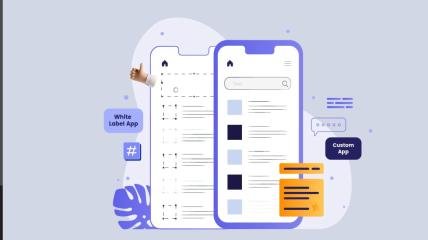
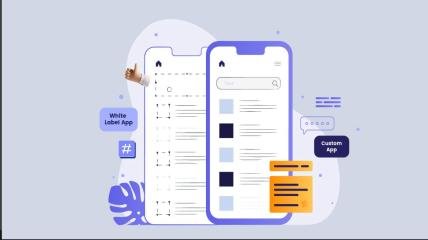
A white label mobile app is a ready-made application developed by one company that other businesses can rebrand and sell as their own product.
The core functionality of the app is already built, tested, and maintained by the provider. Businesses simply customize elements such as:
- App name
- Logo
- Colors
- Branding
- Features
- Content
Once customized, the app is published under the company’s own brand in the Apple App Store and Google Play Store.
From the user’s perspective, the app appears to be entirely owned and developed by the brand using it.
Simple Example
Imagine a company builds a powerful mobile ordering app for restaurants.
Instead of selling the app to just one restaurant, the company allows hundreds of restaurants to use the same platform but customize it with their own branding.
Each restaurant gets its own branded app without building the technology themselves.
That is the power of white label mobile app solutions.
How White Label Mobile Apps Work
White label apps operate on a simple but effective model.
1. Core Platform Development
A software company builds the base mobile application platform. This includes:
- User authentication
- Backend infrastructure
- App functionality
- Database systems
- Payment integrations
- Security systems
This base system is designed to support multiple businesses.
2. Customization Layer
Businesses purchasing the white label solution customize the platform.
Common customization options include:
- Brand colors
- Logos
- UI themes
- Domain connections
- App icons
- Business content
Some platforms allow deeper customization such as:
- Feature modules
- Payment options
- Notifications
- API integrations
3. App Publishing
After customization, the business publishes the app under their own developer account on:
- Apple App Store
- Google Play Store
Users downloading the app will see the company’s branding, not the original developer’s.
4. Ongoing Updates and Maintenance
The white label provider continues to:
- Maintain the software
- Fix bugs
- Release updates
- Improve security
- Add new features
This removes the need for businesses to manage a development team.
Why White Label Mobile Apps Are Growing Rapidly
Several factors have contributed to the rapid adoption of white label mobile apps.
Faster Time to Market
Developing a custom mobile application can take 6 to 18 months.
White label apps can be launched in days or weeks.
This speed gives businesses a major competitive advantage.
Lower Development Costs
Custom mobile app development can cost:
- $25,000 to $250,000+
- Sometimes even higher
White label solutions are significantly cheaper because the development cost is shared across many clients.
Reduced Technical Complexity
Many companies want an app but lack:
- Developers
- Technical expertise
- Infrastructure
White label solutions remove this barrier.
Scalable Business Model
Agencies and entrepreneurs can resell white label apps to multiple clients, creating recurring revenue streams.
Benefits of White Label Mobile Apps
1. Cost Efficiency
Businesses save huge development costs by using an existing platform instead of building software from scratch.
This allows startups and small businesses to access technology that would otherwise be unaffordable.
2. Faster Launch
Instead of waiting months for development, businesses can launch their apps almost immediately.
Speed is critical in competitive industries.
3. Brand Ownership
Even though the platform is shared, the branding belongs entirely to the business.
Customers never see the original developer.
4. Reduced Risk
Custom software projects often fail due to technical issues or budget overruns.
White label platforms are already tested and proven.
5. Continuous Improvements
The provider regularly updates the software, meaning businesses automatically benefit from improvements.
6. Technical Support
Many white label providers offer support services such as:
- Hosting
- Security updates
- Performance monitoring
- Troubleshooting
Industries That Use White Label Mobile Apps
White label apps are used across many industries.
Here are some of the most popular sectors.
Food Delivery and Restaurants
Restaurants increasingly rely on mobile ordering systems.
White label food apps allow restaurants to offer:
- Online ordering
- Loyalty programs
- Push notifications
- Delivery tracking
Without paying massive development costs.
Fitness and Personal Training
Fitness coaches use white label apps for:
- Workout plans
- Video tutorials
- Membership subscriptions
- Progress tracking
This helps trainers build strong digital communities.
E-Commerce
Retailers can launch branded shopping apps with:
- Product catalogs
- Secure payments
- Personalized recommendations
- Order tracking
Mobile apps increase customer retention and sales.
Real Estate
Real estate companies use white label apps for:
- Property listings
- Virtual tours
- Agent contact tools
- Mortgage calculators
These apps improve customer engagement and lead generation.
Education and Online Learning
Education platforms use white label apps to deliver:
- Video courses
- Quizzes
- Certificates
- Student dashboards
Fintech and Trading
Financial service providers use white label apps for:
- Trading platforms
- Portfolio management
- Market analysis tools
White Label Apps vs Custom App Development
Understanding the difference is important before choosing the right approach.
|
Feature |
White Label Apps |
Custom Apps |
|
Development Time |
Weeks |
Months or years |
|
Cost |
Low |
Very high |
|
Customization |
Limited |
Fully customizable |
|
Maintenance |
Handled by provider |
Handled internally |
|
Scalability |
Platform dependent |
|
White label apps are ideal for businesses that want to launch quickly.
Custom development is better for companies requiring completely unique features.
Essential Features of a Good White Label Mobile App Platform
Not all white label platforms are equal.
Here are the most important features to look for.
Easy Branding Customization
The platform should allow simple changes to:
- Colors
- Logos
- Fonts
- Layouts
This ensures the app matches your brand identity.
Multi-Platform Support
Your app should support:
- iOS
- Android
Cross-platform development frameworks like Flutter have made this easier.
Push Notifications
Push notifications are one of the most powerful engagement tools.
They allow businesses to send:
- Promotions
- Updates
- Alerts
Directly to users.
Secure Payment Integration
For e-commerce or service apps, secure payment processing is essential.
Common integrations include:
- Stripe
- PayPal
- Apple Pay
- Google Pay
Analytics Dashboard
Data is crucial for improving user experience.
A good platform should provide analytics such as:
- User activity
- Downloads
- Revenue tracking
- Engagement metrics
API Integration
Businesses often need to connect apps with external tools like:
- CRM systems
- Marketing platforms
- Payment systems
API support allows seamless integrations.
Monetization Opportunities
White label apps can generate multiple revenue streams.
Subscription Models
Many apps charge monthly or yearly subscription fees.
Examples include:
- Fitness memberships
- Educational courses
- Premium content access
In-App Purchases
Users can buy additional features or services directly inside the app.
Advertising
Some businesses monetize apps by displaying ads.
Commission-Based Revenue
Platforms like marketplaces can charge commission on transactions.
How Agencies Make Money with White Label Apps
Agencies often use white label apps as part of their service offerings.
A typical model works like this:
- Purchase a white label platform
- Rebrand it
- Sell apps to clients
Agencies may charge:
- Setup fees
- Monthly maintenance
- Customization costs
This creates recurring revenue.
Steps to Launch Your Own White Label Mobile App
Launching a white label app is easier than most people think.
Step 1: Choose Your Industry
Select a niche where mobile apps provide clear value.
Examples:
- Fitness
- Restaurants
- Online education
- Local services
Step 2: Find a White Label Provider
Research companies that offer reliable white label platforms.
Look for:
- Reviews
- Feature lists
- Pricing models
- Support services
Step 3: Customize the App
Add your branding and configure the features you need.
Step 4: Test the Application
Before launching, thoroughly test:
- User interface
- Payments
- Notifications
- Performance
Step 5: Publish the App
Submit the app to:
- Apple App Store
- Google Play Store
This process usually takes several days for approval.
Step 6: Promote Your App
Marketing is essential to attract users.
Strategies include:
- Social media promotion
- Email marketing
- SEO
- Influencer partnerships
SEO Benefits of Having a Mobile App
Many businesses overlook the SEO advantages of mobile apps.
Apps can increase:
- Brand visibility
- Customer loyalty
- User engagement
- Direct traffic
Search engines also favor businesses with strong digital ecosystems.
Common Challenges with White Label Apps
While white label apps offer many benefits, they also have limitations.
Limited Customization
Since the platform is shared, some customization may not be possible.
Dependency on Provider
If the provider shuts down or stops updates, businesses may face challenges.
Competitive Platforms
Some providers allow many companies to use the same app structure.
Differentiation then depends on branding and marketing.
How to Choose the Best White Label App Provider
Selecting the right provider is critical.
Consider the following factors.
Platform Stability
Ensure the platform is reliable and regularly updated.
Customization Options
Check how much control you have over branding and features.
Pricing Structure
Understand whether the provider charges:
- One-time fees
- Monthly subscriptions
- Revenue sharing
Support and Documentation
Reliable customer support can save countless hours of frustration.
Scalability
The platform should support growth as your user base expands.
Future Trends in White Label Mobile Apps
The white label app industry continues to evolve rapidly.
Here are some emerging trends.
AI Integration
Artificial intelligence is being integrated into apps for:
- Personalized recommendations
- Chatbots
- Smart analytics
No-Code Development
No-code tools are making app customization even easier.
Super Apps
Super apps combine multiple services in one platform.
Examples include messaging, payments, and e-commerce.
Blockchain Integration
Some apps are incorporating blockchain for:
- Secure payments
- Digital identity
- Smart contracts
Final Thoughts
White label mobile apps are transforming how businesses enter the mobile market.
Instead of investing massive resources into custom development, companies can launch professional mobile applications quickly and affordably.
For startups, agencies, and entrepreneurs, this approach offers a powerful opportunity to scale digital services without technical complexity.
As mobile usage continues to grow worldwide, the demand for white label app solutions will only increase.
Businesses that adopt this strategy early can gain a significant competitive advantage.
Whether you want to launch a branded mobile app, expand your digital services, or build a new revenue stream, white label mobile apps provide a practical and scalable solution.