White Label Mobile Apps for Hospitals and Businesses: The Complete Guide to Launching Your Own App Fast
White Label Mobile Apps for Hospitals and Businesses: The Complete Guide to Launching Your Own App Fast
Introduction
Mobile applications are no longer optional for modern organizations. Whether you run a hospital, a private clinic, or a growing business, having a mobile app helps improve customer experience, streamline operations, and increase brand visibility.
However, building a mobile application from scratch can be expensive and time-consuming. Traditional development often requires months of planning, coding, testing, and deployment.
This is where white label mobile apps come in.
White label apps allow businesses and healthcare organizations to launch fully functional mobile applications under their own brand without building the technology from the ground up.
With the right white label solution, a hospital can create a patient management app, while a business can launch a customer service or e-commerce app in a fraction of the time and cost.
In this comprehensive guide, we will explore:
- What white label mobile apps are
- How they work
- Benefits for hospitals and businesses
- Key features to include
- Use cases
- Implementation strategies
- Cost advantages
- Future trends in mobile apps
By the end of this guide, you will understand how white label apps can transform your organization and help you launch your own branded mobile app quickly.
What Is a White Label Mobile App?
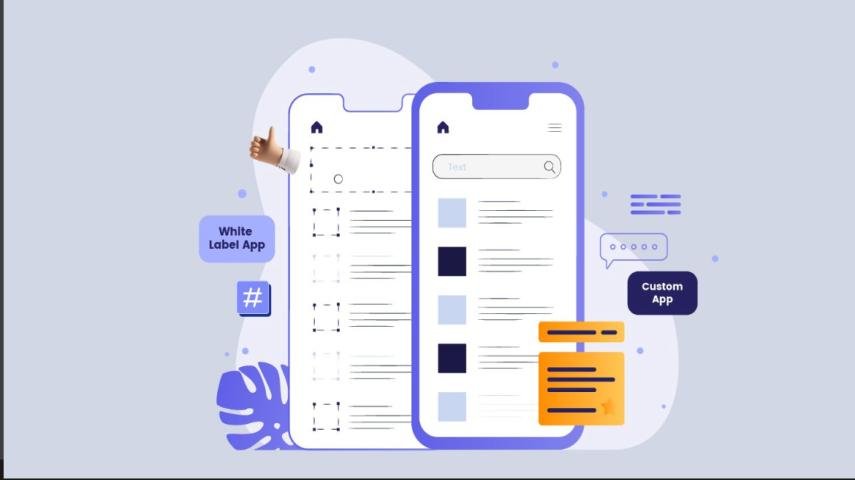
A white label mobile app is a pre-built mobile application developed by a company that allows other businesses to rebrand and customize it as their own product.
Instead of building software from scratch, companies can simply:
- Add their logo
- Change colors and branding
- Customize features
- Publish the app under their own name
The final product appears as if the business built the app themselves.
This approach saves significant time and resources while still delivering a professional mobile application.
White label apps are commonly used in industries such as:
- Healthcare
- Finance
- E-commerce
- Food delivery
- Education
- Corporate services
They are particularly useful for organizations that want to quickly launch digital services without managing complex software development projects.
Why Mobile Apps Are Essential for Hospitals and Businesses
The world has become increasingly mobile-first. Most people now interact with services through smartphones rather than desktop computers.
For hospitals and businesses, mobile apps offer several advantages:
Convenience
Customers and patients can access services anytime, anywhere.
Faster Communication
Mobile apps allow direct communication through notifications, messaging, and alerts.
Improved Customer Experience
Apps provide a streamlined interface for booking services, making purchases, or accessing information.
Operational Efficiency
Organizations can automate tasks like scheduling, payments, and customer support.
Stronger Brand Presence
Having a branded mobile app builds trust and credibility with users.
Because of these benefits, more companies are investing in mobile apps to remain competitive.
Benefits of White Label Mobile Apps
White label mobile apps provide several advantages compared to traditional development.
Faster Time to Market
Developing an app from scratch can take 6–12 months.
White label solutions can be launched in weeks or even days.
This allows businesses to quickly respond to market opportunities.
Lower Development Costs
Custom mobile app development can cost tens or hundreds of thousands of dollars.
White label solutions significantly reduce these costs because the core technology is already built.
Proven Technology
White label platforms are often tested across multiple clients, making them more stable and reliable.
Easy Customization
Businesses can still customize branding, design, and certain features without needing advanced programming knowledge.
Scalability
Most white label platforms support growth, allowing organizations to add features or integrations as needed.
White Label Mobile Apps for Hospitals
Healthcare organizations face increasing pressure to improve patient experience while managing operational complexity.
Mobile apps can help hospitals provide better care while streamlining internal processes.
White label hospital apps offer a cost-effective way to digitize healthcare services.
Key Features of a Hospital Mobile App
A hospital mobile app should include several essential features to support patients and healthcare providers.
Appointment Scheduling
Patients can book, reschedule, or cancel appointments directly from their smartphones.
This reduces administrative workload and improves patient satisfaction.
Telemedicine
Telemedicine allows patients to consult doctors remotely through video calls or chat.
This feature became especially important during global health crises and continues to grow in popularity.
Medical Records Access
Patients can securely view their medical history, prescriptions, and test results through the app.
This improves transparency and helps patients stay informed about their health.
Prescription Management
Patients can request prescription refills or view medication instructions within the app.
This reduces errors and improves treatment compliance.
Notifications and Reminders
Hospitals can send reminders for appointments, medications, and check-ups.
Push notifications help ensure patients never miss important updates.
Billing and Payments
Mobile apps allow patients to pay medical bills online quickly and securely.
This simplifies the payment process for both hospitals and patients.
Emergency Assistance
Some hospital apps include emergency contact features or quick access to ambulance services.
Benefits of Hospital Mobile Apps
Hospitals that implement mobile apps can experience significant improvements in service delivery.
Improved Patient Engagement
Patients become more involved in managing their health.
Reduced Administrative Work
Automation reduces manual tasks such as appointment scheduling.
Better Communication
Doctors and patients can communicate more effectively.
Increased Patient Satisfaction
Convenience and accessibility improve the overall healthcare experience.
White Label Mobile Apps for Businesses
Businesses across many industries are adopting mobile apps to connect with customers and streamline operations.
White label business apps provide ready-made solutions that can be customized to fit different industries.
These apps can support functions such as:
- Customer engagement
- Sales and marketing
- Customer service
- Order management
- Digital payments
Key Features of Business Mobile Apps
Customer Accounts
Users can create accounts to manage their profiles, preferences, and purchase history.
E-Commerce Integration
Businesses can sell products or services directly through the app.
Push Notifications
Companies can send targeted promotions and updates to customers.
Loyalty Programs
Reward systems encourage repeat purchases and customer retention.
Analytics Dashboard
Business owners can track user activity, sales, and engagement.
Secure Payment Processing
Mobile apps allow safe and convenient payment methods.
Customer Support
In-app messaging or chat support improves customer service.
Industries That Benefit from White Label Business Apps
Many industries can benefit from launching branded mobile apps.
Examples include:
Retail
Retail stores can provide online shopping, promotions, and loyalty programs.
Restaurants
Restaurants can offer mobile ordering and delivery services.
Fitness
Gyms and trainers can provide workout plans, booking systems, and progress tracking.
Education
Educational institutions can deliver learning materials and communication tools through mobile apps.
Finance
Financial services can provide secure transactions and account management.
How White Label Mobile Apps Work
White label mobile app providers develop a core platform that supports various features.
Businesses then customize the app to match their brand identity.
The process usually includes:
- Choosing a white label platform
- Customizing branding and features
- Testing the application
- Publishing on app stores
- Launching to users
Most providers also offer ongoing maintenance and updates.
Steps to Launch Your Own White Label Mobile App
Launching a white label mobile app involves several steps.
Step 1: Identify Your Needs
Determine what features your organization requires.
Hospitals may prioritize telemedicine and patient records, while businesses may focus on e-commerce and marketing.
Step 2: Choose a White Label Provider
Select a platform that offers reliable technology and customization options.
Step 3: Customize Branding
Add your company logo, brand colors, and visual elements.
Step 4: Configure Features
Enable the features that match your operational requirements.
Step 5: Test the Application
Conduct thorough testing to ensure the app works smoothly.
Step 6: Publish the App
Submit the application to platforms such as the Apple App Store and Google Play Store.
Step 7: Launch and Promote
Promote your new mobile app through marketing campaigns and customer outreach.
Security and Compliance for Hospital Apps
Healthcare applications must meet strict privacy and security requirements.
Important considerations include:
- Data encryption
- Secure authentication
- Patient data protection
- Compliance with healthcare regulations
Hospitals must ensure that patient information is stored and transmitted securely.
Marketing Your Mobile App
Launching an app is only the first step. Successful adoption requires effective marketing.
Strategies include:
Social Media Promotion
Promote your app through social media channels.
Email Campaigns
Notify existing customers about the new mobile app.
App Store Optimization
Use keywords and descriptions to improve visibility in app stores.
Incentives
Offer discounts or rewards for users who download the app.
Future Trends in Mobile Apps
Mobile technology continues to evolve rapidly.
Several trends will shape the future of hospital and business apps.
Artificial Intelligence
AI can provide smarter recommendations and automation.
Wearable Device Integration
Healthcare apps can integrate with fitness trackers and smartwatches.
Voice Technology
Voice commands may simplify user interaction.
Advanced Analytics
Organizations can gain deeper insights into user behavior.
Why White Label Apps Are the Future
White label solutions make advanced technology accessible to organizations of all sizes.
Instead of spending years developing software, businesses and hospitals can launch professional apps quickly and focus on delivering value to their users.
This approach allows companies to remain competitive in an increasingly digital world.
Conclusion
Mobile apps have become an essential tool for modern organizations.
Hospitals use them to improve patient care and communication, while businesses rely on them to engage customers and increase revenue.
White label mobile apps provide a practical solution for organizations that want to launch mobile services quickly without high development costs.
By choosing the right platform and customizing it to meet your needs, you can create a powerful branded mobile app that enhances user experience and supports long-term growth.
Whether you operate a hospital, a clinic, or a business, adopting a white label mobile app can help you stay ahead in today’s digital landscape.